
James Breese
Performance System Architect.
I design governed performance systems that integrate clinical biomechanics, strength & conditioning, and technical execution. The goal is simple: remove guesswork from athletic development and replace it with repeatable, evidence-constrained outcomes.
The Problem With Performance.
Most performance systems chase results.
- More sessions.
- More drills.
- More volume.
But performance is a dependent variable. When foundations are unstable, outcomes are temporary—and injury becomes inevitable.
Progress doesn’t fail because athletes don’t work hard enough. It fails because the system beneath them is unverified.

The System.
I work from a single operating model. One system. Two applications. The system governs how performance is assessed, built, integrated, and sustained—regardless of sport or population.
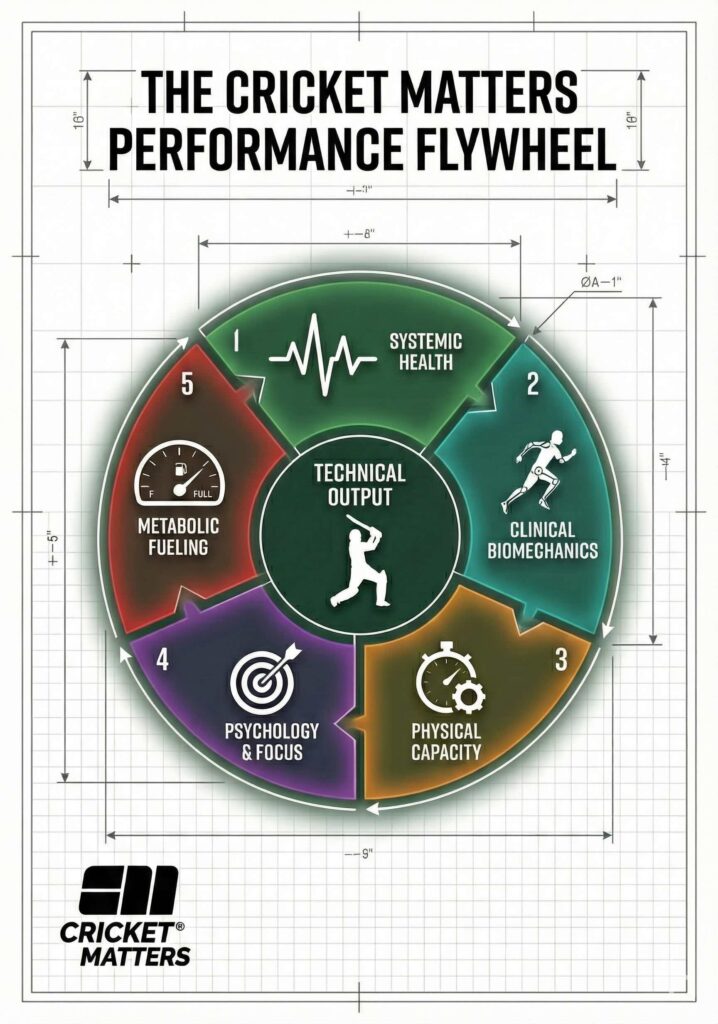
Cricket Matters connects coaching, physical preparation, and injury management under one framework — so training decisions hold up under real cricket demands. It isn’t a gym, a physio clinic, or an academy. It’s the structure that connects them.
The Performance Flywheel.
Assess → Diagnose → Build → Integrate → Monitor → Repeat
This closed-loop process ensures technical refinements are never speculative; they are engineered based on verified clinical data.
One System. Two Applications.
There are two ways in — depending on the problem you’re trying to solve. Everything else is built from there.
Strength Matters — The Foundation.
Systemic longevity and foundational athleticism.This application focuses on movement integrity, physical capacity, and long-term resilience
Cricket Matters — The Application.
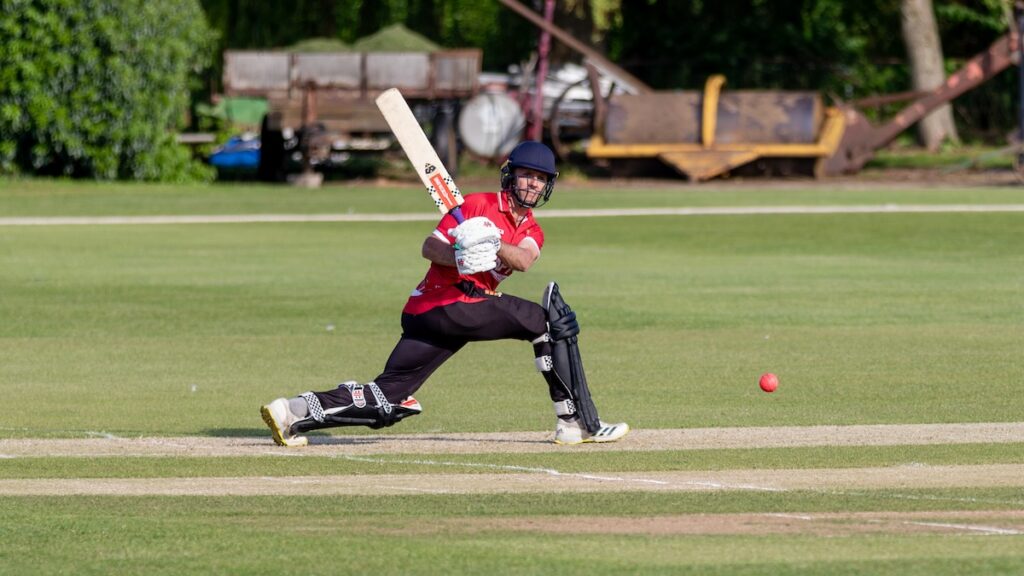
Clinical engineering for cricket performance. This application applies the same system under high-torque, high-skill constraints—fast bowling, batting, and repeatable performance across seasons.
Different environments. Identical governing logic.
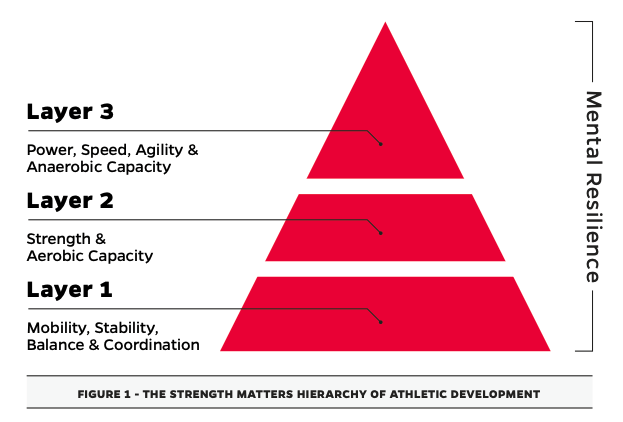
The Hierarchy of Development.
Performance only stabilises when the layers beneath it are stable.
Layer 1 — Foundational Movement Integrity.
Movement must be assessed and cleared before intensity is added. (FMS is used as a gatekeeper, not a goal.)
Layer 2 — Physical Capacity & Load Tolerance.
Strength, tissue tolerance, energy systems, and recovery capacity form the biological substrate that technique relies on.
Layer 3 — Technical Output & Force Expression.
Skill execution is optimised only after the body can express force efficiently and repeatedly under fatigue and pressure. Performance is not trained directly. It emerges when the hierarchy holds.
The Architect.
James Breese is a Performance System Architect with over 20 years working across elite sport, clinical therapy, and athletic development. He is a Level 4 Sports & Remedial Therapist (LCSP Assoc. Member) and ECB Coach, known for integrating clinical reasoning with on-field technical engineering. His work focuses on replacing subjective coaching with governed SOPs that prioritise safety, durability, and repeatable performance. When systems are right, performance takes care of itself.

Governance.
All performance engineering protocols are data-driven and evidence-constrained.
Athlete safety, availability, and long-term durability are non-negotiable.